

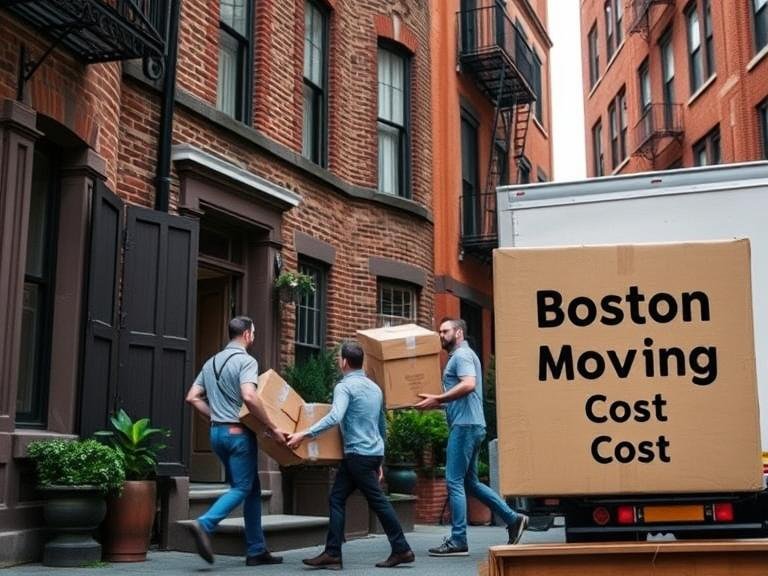
Relocating can be both exciting and overwhelming, especially in a bustling city like Boston. Whether you are moving into the city for work, studies, or lifestyle changes, one of the most critical questions that arises is: What will my Boston moving cost look like?
Understanding the financial aspects of moving is essential to prepare a realistic budget and avoid unexpected expenses. Moving costs vary widely depending on several factors such as the distance, the size of your household, the services you require, and the time of year. This article provides a comprehensive breakdown of Boston moving costs, helping you plan effectively.
Table of Contents
Why Moving Costs Matter in Boston
Boston is one of the oldest and most historic cities in the United States. With its narrow streets, historic neighborhoods, and busy urban layout, moving within or into the city can be more complicated than in many other places. Costs often reflect these challenges, so it’s important to know what you are paying for.
Factors That Influence Boston Moving Cost
Several elements determine how much you will pay when moving in or around Boston:
1. Distance of the Move
- Local moves: Typically charged by the hour. Local Boston moves within 50–100 miles often involve 2–3 movers and a truck, with hourly rates ranging from $90 to $180.
- Long-distance moves: Calculated based on weight and mileage. Moving from Boston to another state may cost anywhere between $2,000 and $6,000 depending on the distance.
2. Size of the Move
- Studio or 1-bedroom apartment: Usually the cheapest, costing around $400–$800 for local moves.
- 2–3 bedroom home: Expect to pay between $1,000 and $2,500 locally.
- Larger homes: May exceed $3,000 locally due to the need for multiple movers and larger trucks.
3. Time of the Year
Boston experiences moving “seasons.”
- Peak season: May through September (especially September 1st, known locally as “Moving Day” when leases turn over). Costs are much higher due to high demand.
- Off-peak season: Winter months may reduce moving costs by 20–30%.
4. Access and Logistics
Boston’s narrow streets, limited parking, and older apartment buildings without elevators all contribute to higher moving costs. Movers may need additional time, permits, or smaller trucks to navigate the city.
5. Services Chosen
- Basic move: Loading, transporting, and unloading.
- Full-service move: Includes packing, unpacking, and sometimes furniture assembly.
- Specialty items: Pianos, antiques, or heavy furniture can add $100–$500 per item.
Typical Cost Ranges in Boston
To give you a general idea, here are common price ranges for moving services in Boston:
- Hourly rates: $90–$180 per hour (depending on number of movers and truck size).
- Local move (2 movers, 3–5 hours): $400–$900.
- Local move (3 movers, 6–8 hours): $1,200–$2,000.
- Long-distance move (Boston to NYC): $1,000–$2,500.
- Long-distance move (Boston to California): $4,000–$7,500.
These figures vary, but they provide a useful benchmark for estimating your own Boston moving cost.
Additional Costs to Consider
When planning your move, it’s important not to overlook smaller expenses that add up:
- Packing supplies – Boxes, tape, bubble wrap, and packing paper may cost $100–$300.
- Insurance – Basic coverage is often included, but full-value protection may increase your total by $100–$500.
- Permits – Boston requires moving permits for trucks in many neighborhoods, costing around $60–$100.
- Tips for movers – Standard tipping is $20–$50 per mover depending on service quality.
- Storage fees – If your new place isn’t ready, storage could cost $100–$400 per month.
How to Reduce Boston Moving Cost
Moving in Boston doesn’t have to break the bank. Here are some strategies to lower your costs:
- Book early: Especially during peak months, booking in advance can lock in better rates.
- Move off-season: Consider moving in winter or early spring when demand is lower.
- Declutter: The fewer items you move, the cheaper it will be. Sell, donate, or recycle things you don’t need.
- Do some packing yourself: Professional packing saves time but adds cost. Packing non-fragile items on your own reduces expenses.
- Compare multiple quotes: Always request estimates from at least three moving companies to ensure fair pricing.
- Use smaller trucks if possible: Large trucks may not navigate narrow Boston streets, sometimes leading to added fees.
Boston’s Unique Moving Challenges
Moving in Boston is unlike moving in many other cities due to several unique challenges:
- September 1st “Allston Christmas”
Every year, thousands of leases end and begin on September 1st. Streets fill with moving trucks, discarded furniture, and heavy traffic. Costs surge dramatically during this time. - Historic Buildings
Many apartments lack elevators or wide staircases. Movers often need extra labor and time to transport items up several flights of stairs. - Parking Restrictions
Boston enforces strict parking regulations. Without a proper moving permit, your truck may be fined or even towed, adding unexpected costs.
Planning Your Budget Effectively
When preparing for your move, consider building a detailed moving budget. Include the following categories:
- Base moving fee
- Packing and supplies
- Insurance coverage
- Permits
- Storage (if necessary)
- Tipping
- Unexpected expenses
By anticipating all potential costs, you can avoid surprises and move with confidence.
Conclusion
Moving in Boston is both exciting and challenging, especially when it comes to costs. Understanding what goes into Boston moving cost helps you prepare better and make informed decisions. Prices depend on distance, household size, season, and chosen services, but careful planning can keep your move affordable.
By comparing quotes, moving off-season, and preparing in advance, you can make your Boston move smoother while staying within budget.
FAQs on Boston Moving Cost
1. How much does it typically cost to move a one-bedroom apartment in Boston?
A local move for a one-bedroom apartment usually costs between $400 and $800, depending on distance and time.
2. Why are Boston moving costs higher in September?
September 1st is Boston’s busiest moving day when thousands of leases end. High demand leads to higher costs.
3. Do I need a moving permit in Boston?
Yes, many neighborhoods require permits for moving trucks. They usually cost around $60–$100.
4. What is the cheapest time to move in Boston?
The winter months (November to March) are typically cheaper due to lower demand.
5. How can I reduce my Boston moving cost?
Declutter your belongings, move during off-peak times, pack items yourself, and compare multiple moving company quotes.