

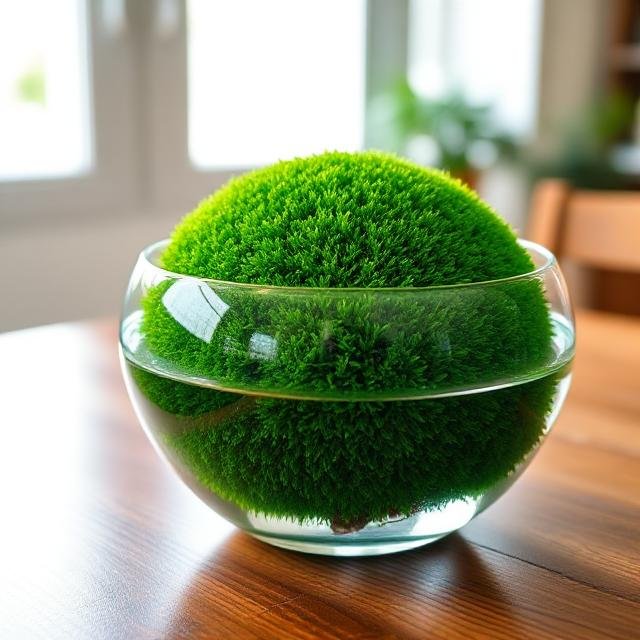
In the world of unique and low-maintenance pets, few creatures capture the imagination quite like the moss ball pet. These fascinating spherical organisms have gained popularity among aquarium enthusiasts and beginners alike, offering a perfect blend of simplicity and natural beauty. Whether you’re looking for your first pet or seeking to add something special to your aquatic collection, moss ball pets present an intriguing option that defies conventional pet ownership expectations.
Table of Contents
What Exactly Is a Moss Ball Pet?
A moss ball pet, scientifically known as Aegagropila linnaei or commonly called Marimo moss balls, represents one of nature’s most unique organisms. Despite their name, these spherical green companions aren’t actually moss at all. They’re a rare form of freshwater algae that naturally grows into perfect spherical shapes over many years in specific lake environments.
These remarkable organisms originate primarily from cold freshwater lakes in Japan, Estonia, Iceland, Scotland, and Australia. In their natural habitat, moss ball pets can grow incredibly slowly, adding only about 5 millimeters of growth per year. This glacial growth rate contributes to their longevity, with some specimens living for over 200 years in the wild.
The spherical shape that makes moss ball pets so distinctive occurs through a combination of wave action and the algae’s natural growth patterns. As gentle currents roll these algae formations along lake bottoms, they maintain their round shape while growing outward in all directions. This natural tumbling action prevents any single side from receiving more light than others, ensuring uniform growth and that characteristic perfect sphere.
The Appeal of Moss Ball Pets
Understanding why moss ball pets have captured the hearts of so many people requires examining their unique characteristics and benefits. These living spheres offer several advantages that make them ideal companions for various lifestyles and living situations.
Minimal Maintenance Requirements
One of the most attractive aspects of moss ball pets is their incredibly low maintenance needs. Unlike traditional pets that require daily feeding, regular grooming, or constant attention, moss ball pets thrive with minimal intervention. They perform photosynthesis to create their own food, requiring only clean water and occasional light to survive and grow.
Educational Value
Moss ball pets provide excellent educational opportunities, particularly for children learning about aquatic ecosystems and plant biology. Observing their slow growth, understanding their photosynthetic processes, and learning about their natural habitats can spark interest in marine biology and environmental science.
Therapeutic Benefits
Many owners report finding their moss ball pets surprisingly calming and meditative to watch. The simple act of observing these gentle, slow-moving organisms can provide stress relief and a sense of connection to nature, even in urban environments.
Creating the Perfect Environment
Setting up an ideal habitat for your moss ball pet doesn’t require expensive equipment or complex systems, but understanding their needs ensures optimal health and longevity.
Water Requirements
Moss ball pets thrive in clean, cool freshwater with temperatures between 68-78°F (20-25°C). They prefer slightly alkaline water with a pH between 7.0 and 8.5. Tap water that has been treated to remove chlorine works perfectly fine, though some owners prefer using distilled or filtered water for optimal results.
Regular water changes are essential for maintaining your moss ball pet’s health. Changing the water every two weeks prevents the accumulation of harmful bacteria and ensures your pet receives fresh nutrients. During water changes, gently rinse your moss ball pet in clean water to remove any debris that might have accumulated on its surface.
Lighting Considerations
While moss ball pets don’t require intense lighting like many aquatic plants, they do need some light for photosynthesis. Indirect natural light or low-level artificial lighting for 8-10 hours daily provides sufficient energy for their metabolic processes. Avoid placing them in direct sunlight, as this can cause overheating and promote unwanted algae growth in their container.
Container Selection
The beauty of moss ball pets lies in their adaptability to various container sizes and shapes. A simple glass bowl, small aquarium, or decorative vase can serve as an adequate home. Ensure the container is large enough to allow gentle movement of water when disturbed, as this motion helps maintain the moss ball’s spherical shape.
Daily Care and Interaction
While moss ball pets require minimal daily care, small interactions can enhance their well-being and your enjoyment of these unique companions.
Gentle Exercise
One of the most endearing aspects of moss ball pet care involves providing gentle exercise. Occasionally rolling your moss ball pet around in its container or gently squeezing it helps maintain its shape and promotes healthy growth. This interaction also removes trapped air bubbles and ensures even growth distribution.
Health Monitoring
Regular observation helps identify any potential health issues early. Healthy moss ball pets maintain their vibrant green color and firm, spongy texture. Brown spots, unusual softness, or a foul odor can indicate bacterial problems that require immediate attention.
Cleaning Routine
Every few weeks, remove your moss ball pet from its container and gently rinse it under cool, clean water. This process removes accumulated debris and helps maintain water quality. Some owners enjoy this interaction as a bonding moment with their unique pet.
Troubleshooting Common Issues
Even with proper care, moss ball pets may occasionally experience problems that require attention and intervention.
Browning or Discoloration
Brown patches on moss ball pets typically indicate bacterial infection or poor water quality. Address this by improving water change frequency, reducing lighting, and gently removing affected areas with clean scissors. Quarantine affected pets to prevent spread to other aquatic life.
Shape Distortion
If your moss ball pet begins losing its spherical shape, increase gentle rolling exercises during water changes. Ensure adequate water movement in the container and consider adjusting lighting to promote even growth.
Slow Growth or Dormancy
Moss ball pets naturally grow very slowly, but complete stagnation might indicate environmental stress. Review water temperature, lighting conditions, and water quality parameters to identify potential improvements.
Frequently Asked Questions
How long do moss ball pets live? With proper care, moss ball pets can live for decades, with some specimens in the wild documented to be over 200 years old. In home environments, they typically live 10-20+ years with consistent care.
Can moss ball pets reproduce? Moss ball pets rarely reproduce in home environments. They may occasionally divide naturally, but this process is extremely slow and uncommon in captivity.
Are moss ball pets safe with fish? Yes, moss ball pets are generally safe with most freshwater fish species. They can actually benefit aquarium ecosystems by absorbing nitrates and producing oxygen through photosynthesis.
Do moss ball pets need fertilizer? No, moss ball pets don’t require fertilizer. They obtain all necessary nutrients from the water and through photosynthesis. Adding fertilizer can actually promote unwanted algae growth.
Can I keep multiple moss ball pets together? Absolutely! Multiple moss ball pets can coexist peacefully in the same container, provided there’s adequate space and water quality is maintained.
What should I do if my moss ball pet floats? Floating usually indicates trapped air bubbles inside the moss ball. Gently squeeze the moss ball underwater to release air bubbles, and it should sink back down.
How fast do moss ball pets grow? Moss ball pets grow extremely slowly, typically adding only 1-2 millimeters per year in home environments. This slow growth is normal and healthy.
Can moss ball pets survive without water temporarily? While moss ball pets are aquatic organisms, they can survive short periods out of water (a few hours) if kept moist. However, they should remain in water for optimal health.