

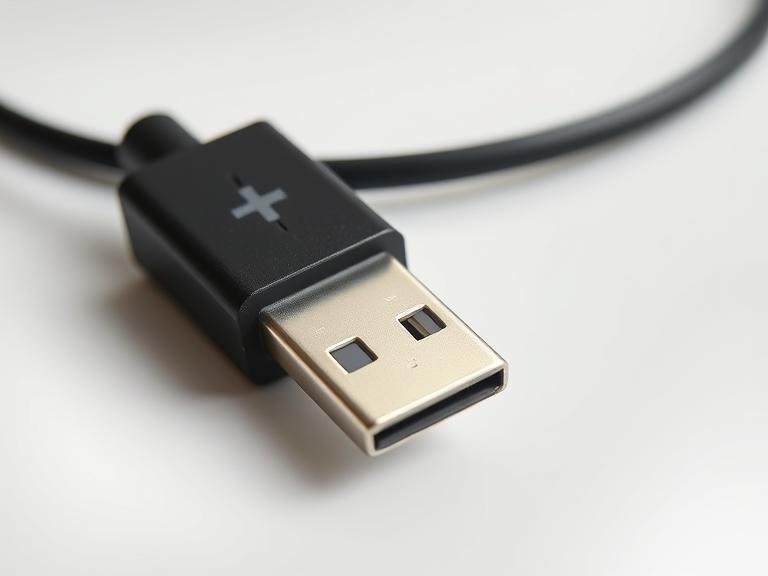
In the rapidly evolving world of technology, few components have been as ubiquitous and essential as the micro USB cable. Despite newer standards like USB-C gaining prominence, micro USB cables remain a cornerstone of modern connectivity, powering billions of devices worldwide and serving as the backbone for countless electronic interactions in our daily lives.
Table of Contents
Understanding Micro USB Technology
The micro USB cable represents a significant evolution in universal connectivity standards. Developed as part of the USB 2.0 specification, these cables were designed to address the growing need for smaller, more durable connectors that could handle the demands of increasingly compact electronic devices. The “micro” designation refers to the connector’s diminutive size compared to its predecessors, measuring just 6.85mm in width and featuring a distinctive rectangular shape with beveled corners.
The technology behind micro USB cables involves sophisticated engineering that balances durability with functionality. The connector features five pins that handle different aspects of data transmission and power delivery. Two pins manage differential data signals for high-speed communication, one serves as a ground connection, another provides power delivery, and the fifth pin functions as an identification mechanism that allows devices to recognize the cable type and adjust their behavior accordingly.
The Anatomy of Micro USB Cables
Understanding the construction of a micro USB cable reveals the complexity hidden within its seemingly simple design. The cable consists of multiple components working in harmony to deliver reliable performance. The outer jacket, typically made from durable PVC or TPE materials, protects the internal components from environmental factors like moisture, temperature fluctuations, and physical stress.
Beneath the protective exterior lies a sophisticated arrangement of conductors. High-quality micro USB cables feature oxygen-free copper wires that minimize signal degradation and ensure optimal conductivity. These conductors are often wrapped in aluminum foil or braided shielding to prevent electromagnetic interference from corrupting data transmission or causing power delivery issues.
The connector itself represents a marvel of miniaturization engineering. Gold-plated contacts ensure corrosion resistance and maintain reliable connections over thousands of insertion cycles. The connector housing, usually constructed from molded plastic with metal reinforcement, provides structural integrity while maintaining the precise tolerances necessary for proper device compatibility.
Applications Across Industries
The versatility of micro USB cables has led to their adoption across numerous industries and applications. In the consumer electronics sector, these cables have become the standard for charging and data transfer in smartphones, tablets, e-readers, portable gaming devices, and digital cameras. Their compact size makes them ideal for devices where space optimization is crucial.
Healthcare technology has embraced micro USB connectivity for medical devices, patient monitoring equipment, and portable diagnostic tools. The reliable power delivery and data transmission capabilities make these cables essential for devices that require consistent performance in critical situations. Similarly, the automotive industry utilizes micro USB connections for dashboard cameras, GPS navigation systems, and vehicle diagnostic equipment.
Industrial applications have found micro USB cables particularly valuable for sensor networks, data loggers, and remote monitoring systems. The durability and standardized nature of these connections make them suitable for harsh environments where reliability is paramount. Educational technology has also benefited significantly, with micro USB cables enabling connectivity for interactive whiteboards, student tablets, and laboratory equipment.
Technical Specifications and Performance
The performance characteristics of micro USB cables vary significantly based on their construction quality and intended application. Standard micro USB cables support USB 2.0 specifications, enabling data transfer rates up to 480 Mbps under optimal conditions. However, real-world performance often falls short of theoretical maximums due to factors like cable length, connector quality, and electromagnetic interference.
Power delivery capabilities represent another crucial aspect of micro USB cable performance. Most standard cables can safely handle current loads up to 2.1 amperes, though many budget options are limited to 1 ampere or less. This limitation directly impacts charging speeds and device compatibility, making cable selection critical for optimal performance.
Cable length significantly affects both data transmission quality and power delivery efficiency. Shorter cables, typically under three feet, provide optimal performance for both data and power applications. Longer cables experience voltage drop and signal degradation, potentially causing slower charging speeds or data transmission errors.
Quality Considerations and Selection Criteria
Selecting the right micro USB cable requires understanding various quality factors that impact performance and longevity. Wire gauge represents one of the most critical considerations, with lower gauge numbers indicating thicker conductors capable of handling higher current loads more efficiently. Quality cables typically feature 28 AWG or thicker conductors for data lines and 24 AWG or thicker for power delivery.
Connector build quality directly impacts cable lifespan and reliability. Premium cables feature reinforced stress relief at connection points, preventing the common failure mode of cable breakage near connectors. Metal connector housings provide superior durability compared to plastic alternatives, though they may increase cost and weight.
Certification and compliance with industry standards ensure compatibility and safety. Reputable manufacturers submit their cables for USB-IF certification, guaranteeing adherence to official specifications. Additionally, safety certifications like UL listing provide assurance that cables meet electrical safety standards for consumer use.
Maintenance and Longevity
Proper care and maintenance significantly extend the operational life of micro USB cables while maintaining optimal performance. Regular inspection for signs of wear, including frayed outer jackets, loose connectors, or bent pins, helps identify potential issues before they cause device damage or safety hazards.
Storage practices greatly impact cable longevity. Avoiding tight coiling, extreme temperatures, and exposure to moisture helps preserve internal conductor integrity and connector functionality. Using cable management solutions prevents stress concentration at vulnerable points and reduces the likelihood of premature failure.
Cleaning protocols for both cables and device ports ensure reliable connections and prevent contamination-related issues. Gentle cleaning with appropriate solvents removes accumulated debris without damaging delicate components, while compressed air effectively removes particles from connector recesses.
Future Outlook and Technological Evolution
While newer standards like USB-C promise enhanced capabilities and universal adoption, micro USB cables remain relevant for numerous applications and existing device ecosystems. Legacy device support ensures continued demand for these cables, particularly in industrial and specialized applications where device replacement cycles extend over many years.
Emerging technologies are enhancing micro USB cable capabilities without abandoning the established connector standard. Advanced materials improve durability and performance, while sophisticated manufacturing techniques reduce costs and increase availability. Smart cable technologies that provide diagnostic capabilities and enhanced safety features represent exciting developments in this mature technology category.
The micro USB standard continues evolving through incremental improvements that enhance performance while maintaining backward compatibility. These developments ensure that micro USB cables will remain viable connectivity solutions for years to come, serving both legacy systems and new applications that prioritize the proven reliability and widespread compatibility of this established standard.
Frequently Asked Questions
What is the difference between micro USB and mini USB cables?
Micro USB cables feature smaller connectors than mini USB cables, measuring 6.85mm wide compared to mini USB’s 7mm width. Micro USB also offers improved durability with a rated lifespan of 10,000 insertion cycles versus 5,000 for mini USB. Additionally, micro USB supports higher current capacity for faster charging and became the industry standard for mobile devices.
Can all micro USB cables transfer data?
Not all micro USB cables support data transfer. Some cables, often called “charge-only” cables, contain only power conductors and lack the data transmission wires. These cables cost less but cannot sync data between devices. Always verify cable specifications if data transfer capability is required for your application.
How do I identify a high-quality micro USB cable?
High-quality micro USB cables feature thicker conductors (24 AWG or lower for power, 28 AWG or lower for data), gold-plated connectors, reinforced stress relief, and proper certification markings. Quality cables feel substantial, have tight connector fits, and often include braided or reinforced outer jackets. Reputable brand names and positive user reviews also indicate superior construction.
Why do some micro USB cables charge devices faster than others?
Charging speed depends on the cable’s conductor thickness and quality. Thicker power conductors (lower AWG numbers) carry current more efficiently with less voltage drop, enabling faster charging. Poor quality cables with thin conductors create resistance that reduces charging current and generates heat, resulting in slower charging speeds and potential safety issues.
Are micro USB cables universal across all devices?
While micro USB connectors are standardized, not all cables work optimally with every device. Some devices require specific current ratings or data transmission capabilities. Additionally, certain manufacturers implement proprietary charging protocols that may not work with all cables. Check device specifications and cable ratings to ensure compatibility.
How long do micro USB cables typically last?
Quality micro USB cables are rated for 10,000 insertion cycles under normal use conditions. With proper care, including avoiding excessive bending, temperature extremes, and moisture exposure, a good cable can last several years. However, cables used frequently or in harsh conditions may require replacement sooner due to conductor fatigue or connector wear.