

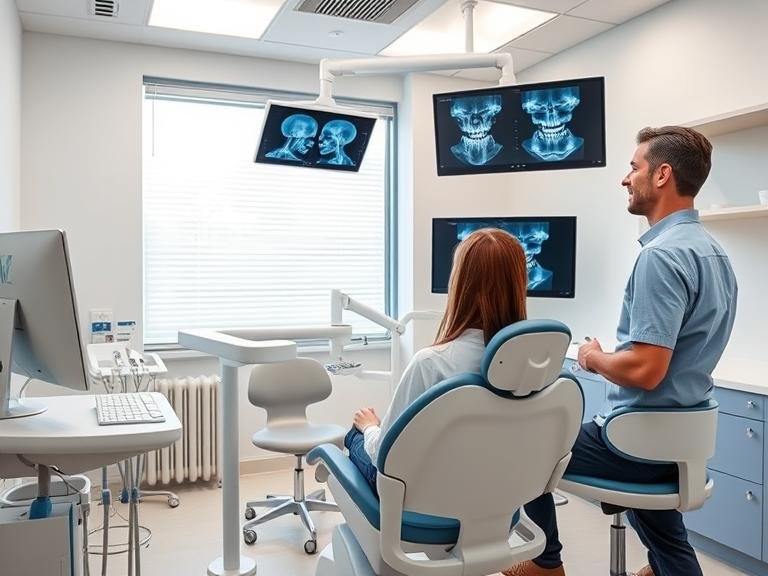
Dax Moore Complete Dental: Modern dentistry has evolved significantly over the past few decades, transforming from basic tooth extraction and filling procedures to comprehensive oral health management systems. Complete dental care encompasses a holistic approach to maintaining optimal oral health throughout a patient’s lifetime, addressing everything from preventive care to complex restorative procedures.
The concept of complete dental services revolves around providing patients with all their oral health needs under one roof, eliminating the need for multiple referrals and ensuring continuity of care. This integrated approach has become increasingly popular as patients seek convenience and comprehensive treatment planning.
Table of Contents
The Evolution of Modern Dental Practice
From Traditional to Comprehensive Care
Traditional dental practices often focused on treating problems as they arose, with limited emphasis on prevention and long-term planning. Today’s complete dental approach prioritizes preventive care while simultaneously offering advanced treatment options for complex cases.
Modern dental practices incorporate cutting-edge technology, evidence-based treatment protocols, and patient-centered care models. This evolution has led to better treatment outcomes, improved patient satisfaction, and more efficient use of healthcare resources.
Technology Integration in Complete Dental Care
Advanced diagnostic tools such as digital X-rays, intraoral cameras, and 3D imaging systems have revolutionized how dental professionals assess and treat oral health conditions. These technologies enable more accurate diagnoses, better treatment planning, and improved patient education.
Digital workflow systems streamline appointment scheduling, treatment tracking, and communication between different specialists within a complete dental practice. This integration ensures that all aspects of a patient’s care are coordinated and documented comprehensively.
Core Components of Complete Dental Services
Preventive Dentistry
Preventive care forms the foundation of complete dental services. Regular cleanings, fluoride treatments, and oral health screenings help identify potential problems before they become serious issues requiring extensive treatment.
Professional dental cleanings remove plaque and tartar buildup that cannot be eliminated through regular brushing and flossing. These procedures are essential for maintaining gum health and preventing periodontal disease, which affects millions of adults worldwide.
Oral cancer screenings are another crucial component of preventive care. Early detection of oral cancer significantly improves treatment outcomes and survival rates, making routine screenings an essential part of comprehensive dental care.
Restorative Dentistry
Restorative procedures focus on repairing damaged teeth and restoring proper function to the oral cavity. This includes treatments such as fillings, crowns, bridges, and dental implants.
Modern restorative materials offer improved durability and aesthetics compared to traditional options. Ceramic and composite materials can be color-matched to natural teeth, providing functional restoration that maintains the patient’s natural appearance.
Dental implants represent one of the most significant advances in restorative dentistry. These titanium posts integrate with the jawbone to provide stable foundations for replacement teeth, offering a permanent solution for tooth loss.
Cosmetic Dentistry
Cosmetic dental procedures enhance the appearance of teeth and smiles while often providing functional benefits as well. Popular treatments include teeth whitening, veneers, and orthodontic care.
Professional teeth whitening systems can achieve dramatic results that surpass over-the-counter options. In-office treatments use controlled concentrations of bleaching agents to safely lighten tooth color by several shades in a single appointment.
Porcelain veneers can transform smiles by covering imperfections such as chips, gaps, or discoloration. These thin shells are custom-made to fit each tooth perfectly, creating natural-looking improvements that can last for many years with proper care.
Orthodontic Services
Orthodontic treatment corrects misaligned teeth and improper bite patterns, improving both function and appearance. Traditional metal braces remain effective, but newer options like clear aligners offer more discreet treatment alternatives.
Clear aligner systems use a series of custom-made, removable trays to gradually move teeth into proper position. This approach appeals to adult patients who want to improve their smiles without the appearance of traditional braces.
Early orthodontic intervention in children can prevent more serious problems from developing as permanent teeth emerge. Complete dental practices often provide both pediatric and adult orthodontic services to serve families throughout their orthodontic needs.
Oral Surgery
Oral surgery procedures range from routine tooth extractions to complex reconstructive surgeries. Wisdom tooth removal is among the most common oral surgery procedures, often necessary to prevent overcrowding or impaction problems.
Bone grafting procedures help restore jawbone structure that has been lost due to tooth loss or periodontal disease. These procedures are often necessary before dental implant placement to ensure adequate bone support.
Corrective jaw surgery addresses severe bite problems and facial asymmetries that cannot be corrected through orthodontic treatment alone. These procedures require careful coordination between oral surgeons and orthodontists.
Benefits of Choosing Complete Dental Care
Continuity of Care
Complete dental practices maintain comprehensive patient records that track all treatments and procedures over time. This continuity ensures that new treatments complement previous work and that potential complications are identified early.
Having all dental specialists working within the same practice facilitates communication and coordination between different treatment phases. This collaboration often results in better treatment outcomes and more efficient use of appointment time.
Cost Effectiveness
Comprehensive treatment planning allows patients to prioritize procedures based on urgency and budget considerations. Many complete dental practices offer financing options and payment plans to make extensive treatment more affordable.
Preventive care emphasis in complete dental practices can help patients avoid costly emergency procedures and extensive restorative work. Regular maintenance and early intervention typically cost less than treating advanced dental problems.
Convenience and Time Savings
Patients benefit from reduced travel time and simplified scheduling when all their dental needs can be addressed at one location. This convenience is particularly valuable for families with multiple members receiving orthodontic or other specialized care.
Streamlined appointment scheduling and electronic health records reduce paperwork and administrative burdens for patients. Online patient portals often allow for easy appointment scheduling and access to treatment information.
Quality Assurance in Complete Dental Care
Continuing Education and Training
Complete dental practices typically invest heavily in continuing education for their staff to stay current with latest techniques and technologies. This commitment to ongoing learning ensures that patients receive care based on the most current evidence and best practices.
Regular training in new procedures and technologies helps dental teams provide consistently high-quality care across all service areas. This investment in professional development often translates to better treatment outcomes for patients.
Technology and Equipment Standards
Complete dental practices often maintain higher technology standards than single-specialty practices due to their broader service offerings. Advanced equipment requires significant investment but enables more precise diagnoses and more effective treatments.
Regular equipment maintenance and upgrades ensure that diagnostic and treatment capabilities remain at the forefront of dental technology. This commitment to technological excellence often results in more comfortable patient experiences and better clinical outcomes.
Patient Experience in Complete Dental Settings
Comprehensive Consultation Process
Initial consultations in complete dental practices typically include thorough examinations, diagnostic imaging, and detailed treatment planning discussions. This comprehensive approach ensures that all aspects of oral health are addressed in the treatment plan.
Patient education is emphasized throughout the consultation process, with visual aids and detailed explanations helping patients understand their treatment options and expected outcomes. This educational approach empowers patients to make informed decisions about their care.
Communication and Follow-up
Effective communication systems ensure that patients remain informed throughout their treatment process. Regular progress updates and clear explanations of upcoming procedures help reduce anxiety and improve cooperation.
Post-treatment follow-up protocols monitor healing progress and address any concerns that may arise. This ongoing support demonstrates the practice’s commitment to patient welfare beyond the completion of specific procedures.
Frequently Asked Questions
What makes complete dental care different from traditional dental practices?
Complete dental care provides comprehensive oral health services under one roof, including preventive, restorative, cosmetic, orthodontic, and surgical procedures. This integrated approach offers better continuity of care, improved treatment coordination, and greater convenience for patients compared to traditional practices that may require referrals to multiple specialists.
How often should I visit a complete dental practice for routine care?
Most dental professionals recommend routine cleanings and examinations every six months for patients with good oral health. However, patients with gum disease, a history of dental problems, or certain medical conditions may need more frequent visits. Your dental team will recommend an appropriate schedule based on your individual needs and risk factors.
Are complete dental services more expensive than traditional dental care?
While individual procedure costs may be similar, complete dental care often provides better value through comprehensive treatment planning, preventive care emphasis, and coordinated treatment approaches. Many practices offer financing options and payment plans to help make extensive treatment more affordable for patients.
What should I expect during my first visit to a complete dental practice?
Your first visit will typically include a comprehensive oral examination, diagnostic X-rays, oral cancer screening, and detailed discussion of your dental history and treatment goals. The dental team will develop a personalized treatment plan addressing both immediate needs and long-term oral health objectives.
How do complete dental practices ensure quality across different specialties?
Quality assurance is maintained through rigorous continuing education requirements, standardized treatment protocols, regular peer review processes, and investment in advanced technology and equipment. Most complete dental practices have systems in place to monitor treatment outcomes and patient satisfaction across all service areas.
Best Category: Healthcare/Medical Services