

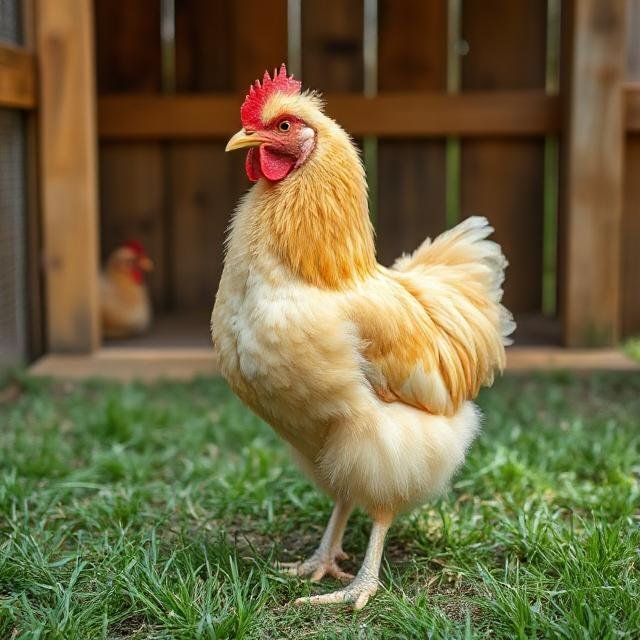
The world of poultry is full of fascinating breeds, each with its own charm, purpose, and history. Among these, the Cochin Bantam stands out as one of the most adored miniature chickens in the world. Known for their fluffy feathers, gentle personalities, and ornamental value, Cochin Bantams have captured the hearts of backyard chicken keepers, hobbyists, and poultry enthusiasts.
Though they may not be the most productive egg layers, their endearing appearance and calm temperament make them ideal for small farms, exhibitions, and even family pets. This article explores the history, physical characteristics, care requirements, and cultural significance of the Cochin Bantam.
Table of Contents
History and Origins of the Cochin Bantam
The Cochin Bantam is essentially a scaled-down version of the large Cochin chicken. Cochins themselves originated in China during the 19th century and were imported into Europe and America, where they quickly gained popularity for their unique feathering and size.
The bantam variety, however, is believed to have been developed in the United Kingdom as a “true bantam.” Unlike some bantam breeds that are simply miniature forms of large fowl, the Cochin Bantam has been selectively bred to emphasize ornamental qualities, making them highly prized in poultry shows.
Physical Characteristics of Cochin Bantams
Size
Cochin Bantams are tiny compared to their full-sized counterparts. A typical adult weighs between 26–30 ounces (740–850 grams), with males usually being slightly heavier than females.
Feathers
Their most defining feature is their fluffy plumage, which covers not just their bodies but also extends down their legs and feet. This gives them a round, ball-like appearance that makes them look larger than they actually are.
Colors and Varieties
Cochin Bantams come in a wide range of colors and patterns. Some of the most popular include:
- Black – rich, glossy feathers with a greenish sheen.
- White – pure, snow-like plumage.
- Buff – warm golden brown, among the most popular.
- Barred – featuring a striped black-and-white pattern.
- Blue – soft grayish-blue tones.
- Mottled – black feathers with white tips.
Breeders often experiment with color genetics, and new varieties continue to emerge in poultry exhibitions.
Personality
Cochin Bantams are known for their docile and friendly temperament. They are calm birds that tolerate handling well, which makes them excellent pets for families and children. Their social nature also allows them to integrate smoothly into mixed flocks.
Why Keep Cochin Bantams?
Ornamental Value
Due to their eye-catching feathers and wide range of colors, Cochin Bantams are primarily kept for ornamental purposes. They are often showcased in poultry competitions and exhibitions.
Family-Friendly Pets
Their gentle personalities make them perfect for families. Children can interact with them safely, and their calm nature means they rarely display aggression.
Broodiness
Cochin Bantam hens are known for going broody often, which means they are excellent natural mothers. Many poultry keepers use them to hatch eggs from other chicken breeds or even different bird species.
Manageable Size
Their small stature makes them suitable for backyards or urban poultry keepers with limited space. Unlike larger breeds, they don’t require as much room to thrive.
Housing and Care
Coop Requirements
Cochin Bantams require a safe, dry, and well-ventilated coop. Since their feathers extend down to their feet, muddy or wet conditions can cause health issues like foot infections. Regular cleaning and dry bedding are crucial.
Space
While they are smaller than standard breeds, providing enough space is still important to avoid stress. A minimum of 2–3 square feet per bird inside the coop and 8–10 square feet per bird in the run is recommended.
Feeding
Like other chickens, Cochin Bantams thrive on a balanced diet of:
- Starter feed (for chicks)
- Layer pellets or crumbles (for adults)
- Occasional treats like vegetables, fruits, and grains
Clean water should always be available.
Grooming Needs
Because of their abundant feathers, Cochin Bantams may require extra grooming. This includes trimming feathers around the vent to maintain hygiene and occasionally inspecting feathered feet for mites or mud buildup.
Egg Production
One important consideration is that Cochin Bantams are not prolific egg layers. A hen typically lays 80–120 small eggs per year, which are cream-colored and smaller than standard chicken eggs. While not ideal for those seeking high egg production, their charm lies more in companionship and exhibition than in providing food.
Health and Common Issues
Cochin Bantams are generally hardy, but their feathered legs make them prone to a few issues:
- Mites and lice can hide within thick plumage. Regular dust baths and inspection help prevent infestations.
- Scaly leg mites are more common due to feathered feet. Treating perches and maintaining cleanliness reduces risks.
- Obesity may occur because of their calm and less active nature. Monitoring feed and allowing free-ranging can help.
With proper care, these bantams can live 8–10 years, sometimes even longer.
Breeding and Exhibition
Cochin Bantams are popular show birds. Breeders focus on refining feather quality, color patterns, and overall shape. Poultry shows often judge these birds based on breed standards, where features such as feather coverage, stance, and coloring are closely evaluated.
Because hens are excellent brooders, breeding Cochin Bantams is relatively easy. They can hatch their own eggs and raise chicks without requiring incubators.
Cochin Bantam vs. Standard Cochin
| Feature | Cochin Bantam | Standard Cochin |
|---|---|---|
| Size | 26–30 oz | 8–11 lbs |
| Purpose | Ornamental, exhibition, pets | Meat, exhibition |
| Egg Production | Low (80–120/year) | Moderate (150–180/year) |
| Temperament | Docile, family-friendly | Calm but larger, needs more space |
This comparison highlights that the bantam variety is more suited for hobbyists and families rather than farmers looking for utility birds.
Cultural and Historical Significance
The Cochin Bantam has had a long-standing place in the poultry fancy world. Victorian-era breeders adored them for their beauty, and they played a role in the rise of “hen fever” in 19th-century England. Today, they continue to enchant poultry enthusiasts worldwide, being both a living piece of history and a beloved modern pet.
Conclusion
The Cochin Bantam may not be the most productive chicken in terms of egg-laying, but it more than compensates with charm, beauty, and companionship. Perfect for families, poultry hobbyists, and exhibition keepers, this breed showcases the joy of keeping chickens beyond their utility. With proper care, a Cochin Bantam can become not only a feathered ornament but also a cherished family companion.
FAQs About Cochin Bantams
Q1. Are Cochin Bantams good for beginners?
Yes, their calm nature and easy care requirements make them excellent for beginners.
Q2. How many eggs does a Cochin Bantam lay per year?
They lay around 80–120 small cream-colored eggs annually.
Q3. Do Cochin Bantams get along with other chicken breeds?
Yes, their gentle temperament allows them to coexist peacefully with most breeds.
Q4. How long do Cochin Bantams live?
With proper care, they can live 8–10 years or more.
Q5. Are Cochin Bantams noisy?
No, they are relatively quiet compared to other chicken breeds, making them suitable for urban areas.