

When facing space constraints in your home, office, or during life transitions, finding the right storage solution becomes crucial. Among the various storage unit sizes available, the 5×15 storage unit stands out as a versatile option that strikes a balance between space and affordability. This comprehensive guide explores everything you need to know about 5×15 storage units, helping you make an informed decision for your storage needs.
Table of Contents
What Exactly Is a 5×15 Storage Unit?
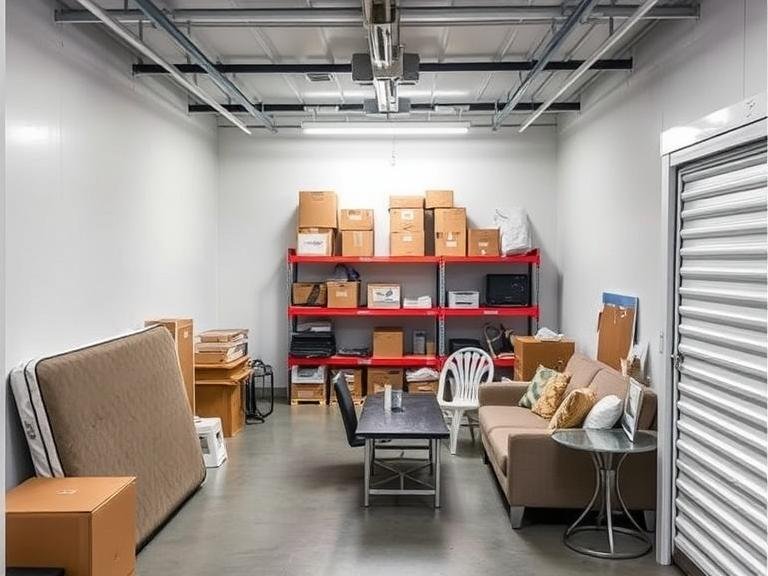
A 5×15 storage unit measures 5 feet in width by 15 feet in length, providing 75 square feet of floor space. With standard ceiling heights ranging from 8 to 10 feet, these units offer approximately 600 to 750 cubic feet of storage volume. To put this into perspective, imagine a space roughly the size of a large walk-in closet or a small bedroom.
The rectangular shape of a 5×15 unit makes it particularly suitable for storing long items that might not fit well in square-shaped units. This configuration allows for efficient organization and easy access to your belongings while maximizing the use of available space.
Ideal Items for a 5×15 Storage Unit
Furniture and Household Items
A 5×15 storage unit can comfortably accommodate furniture from a one to two-bedroom apartment. This includes items such as:
- Queen or king-size mattress and box spring
- Dining room table with chairs
- Sofa or sectional seating
- Dresser and nightstands
- Bookcases and entertainment centers
- Small appliances like microwaves and vacuum cleaners
Seasonal and Recreational Equipment
The length of a 5×15 unit makes it perfect for storing seasonal items and recreational equipment:
- Holiday decorations and seasonal clothing
- Bicycles, kayaks, or small boats
- Camping and outdoor gear
- Sports equipment including skis, surfboards, or golf clubs
- Garden tools and lawn equipment
Business and Office Storage
Small business owners often find 5×15 units ideal for:
- Office furniture and equipment
- Document storage and filing systems
- Inventory for small retail operations
- Marketing materials and supplies
- Seasonal business items
Cost Considerations for 5×15 Storage Units
The cost of renting a 5×15 storage unit varies significantly based on several factors. Location plays the primary role in pricing, with urban areas typically commanding higher rates than rural locations. Climate-controlled units cost more than standard units but provide better protection for sensitive items.
Monthly rental prices for 5×15 units typically range from $60 to $200, with the national average falling around $100 to $130 per month. Additional costs may include security deposits, administrative fees, and insurance coverage for your stored items.
Climate Control: Essential or Optional?
Climate control in storage units maintains consistent temperature and humidity levels, protecting your belongings from extreme weather conditions. For a 5×15 storage unit, climate control becomes particularly important if you plan to store:
- Wooden furniture that can warp or crack
- Electronics and appliances
- Important documents or photographs
- Clothing and textiles
- Musical instruments
- Artwork or collectibles
While climate-controlled units cost approximately 20-50% more than standard units, the protection they provide often justifies the additional expense, especially for valuable or irreplaceable items.
Organization Strategies for Maximum Efficiency
Vertical Space Utilization
With 8-10 feet of ceiling height, utilizing vertical space becomes crucial in a 5×15 unit. Stack boxes with heavier items at the bottom and lighter ones on top. Install shelving units along the walls to create additional storage levels and keep frequently accessed items within easy reach.
Creating Access Pathways
Plan your storage layout to maintain clear pathways through the unit. Place frequently needed items near the entrance and less-accessed items toward the back. This organization strategy saves time and prevents the need to move multiple items when retrieving something specific.
Strategic Item Placement
Position long items like mattresses, mirrors, or artwork against the walls to maximize floor space. Use the unit’s length to your advantage by storing items end-to-end rather than side-by-side when possible.
Security Features and Considerations
Modern storage facilities typically provide multiple layers of security for 5×15 units and other sizes. These security measures often include:
- Perimeter fencing with controlled access gates
- Individual unit locks (usually provided by the renter)
- Security cameras throughout the facility
- Adequate lighting in all areas
- On-site management during business hours
When selecting a storage facility, inquire about their specific security protocols and consider investing in a high-quality lock for your unit. Some facilities also offer insurance options to protect your stored belongings.
Alternatives to Consider
While a 5×15 storage unit offers excellent versatility, it may not be the perfect fit for everyone. Consider these alternatives based on your specific needs:
Smaller Options
- 5×10 units provide 50 square feet for lighter storage needs
- 5×5 units work well for seasonal items or small furniture pieces
Larger Options
- 10×15 units double the width for bulkier items
- 10×20 units accommodate contents of larger homes
Making the Most of Your Storage Investment
To maximize the value of your 5×15 storage unit rental, create a detailed inventory of stored items with their approximate values. Take photographs of valuable items before storage and maintain organized records of what you’ve placed in the unit.
Regular visits to check on your stored items can help identify any potential issues early. Ensure proper packing techniques using appropriate materials to prevent damage during storage.
Environmental Considerations
Choose storage facilities that demonstrate environmental responsibility through energy-efficient lighting, recycling programs, and sustainable building practices. Some facilities also offer electric vehicle charging stations and other eco-friendly amenities.
Frequently Asked Questions
Q: How much can a 5×15 storage unit typically hold? A: A 5×15 storage unit can typically hold the contents of a one to two-bedroom apartment, including furniture, boxes, and personal belongings. The exact capacity depends on how efficiently you organize the space and the types of items you’re storing.
Q: Do I need climate control for a 5×15 storage unit? A: Climate control depends on what you’re storing and your local climate conditions. If you’re storing items sensitive to temperature and humidity changes, such as wooden furniture, electronics, documents, or textiles, climate control is highly recommended.
Q: What’s the average cost of renting a 5×15 storage unit? A: Monthly costs typically range from $60 to $200, with most areas averaging $100-$130 per month. Prices vary based on location, amenities, and whether you choose climate control.
Q: Can I store a car in a 5×15 storage unit? A: Most standard cars are too wide for a 5-foot-wide unit. A 5×15 storage unit is better suited for motorcycles, ATVs, or other smaller vehicles, provided the facility allows vehicle storage.
Q: How do I maximize space in a 5×15 storage unit? A: Maximize space by utilizing vertical storage with shelving, creating clear pathways, using uniform box sizes that stack well, and placing frequently accessed items near the front of the unit.
Q: What items are typically prohibited in storage units? A: Most facilities prohibit hazardous materials, flammable substances, perishable items, plants, animals, and illegal items. Some facilities also restrict certain types of vehicles or impose weight limitations.
Q: How often should I visit my storage unit? A: Visit your storage unit at least once every few months to check on your items, ensure everything remains in good condition, and verify that your belongings are secure and properly organized.
Q: Is insurance necessary for stored items? A: While not always required, insurance is highly recommended to protect against theft, damage, or natural disasters. Many storage facilities offer insurance options, or you can check if your homeowner’s or renter’s insurance provides coverage.